In the dynamic and highly regulated world of healthcare, ensuring optimal performance is paramount for patient safety, operational efficiency, and sustained growth. Performance Improvement Plans (PIPs) are not merely corrective measures but strategic tools designed to foster continuous improvement across an organization. When configured effectively, these plans become integral components of a robust quality framework, guiding teams and individuals toward achieving elevated standards of care and health care compliance. QAPI360 understands the critical role such structured approaches play in helping agencies meet CMS Conditions of Participation.

Understanding the Strategic Role of PIPs in Healthcare
Performance Improvement Plans in healthcare extend beyond traditional disciplinary actions; they are proactive strategies aimed at enhancing specific areas of an organization's operations, clinical processes, or staff competencies. At their core, effective PIPs are integral to a comprehensive Quality Assessment and Performance Improvement (QAPI) program, identifying opportunities for growth and systematically addressing them. This involves a cyclical process of identifying performance gaps, developing targeted interventions, implementing changes, and monitoring outcomes. The goal is to cultivate a culture of ongoing learning and adaptation, ensuring that all aspects of care delivery consistently meet or exceed established benchmarks and regulatory requirements.
Essential Elements for Configuring Impactful Healthcare PIPs
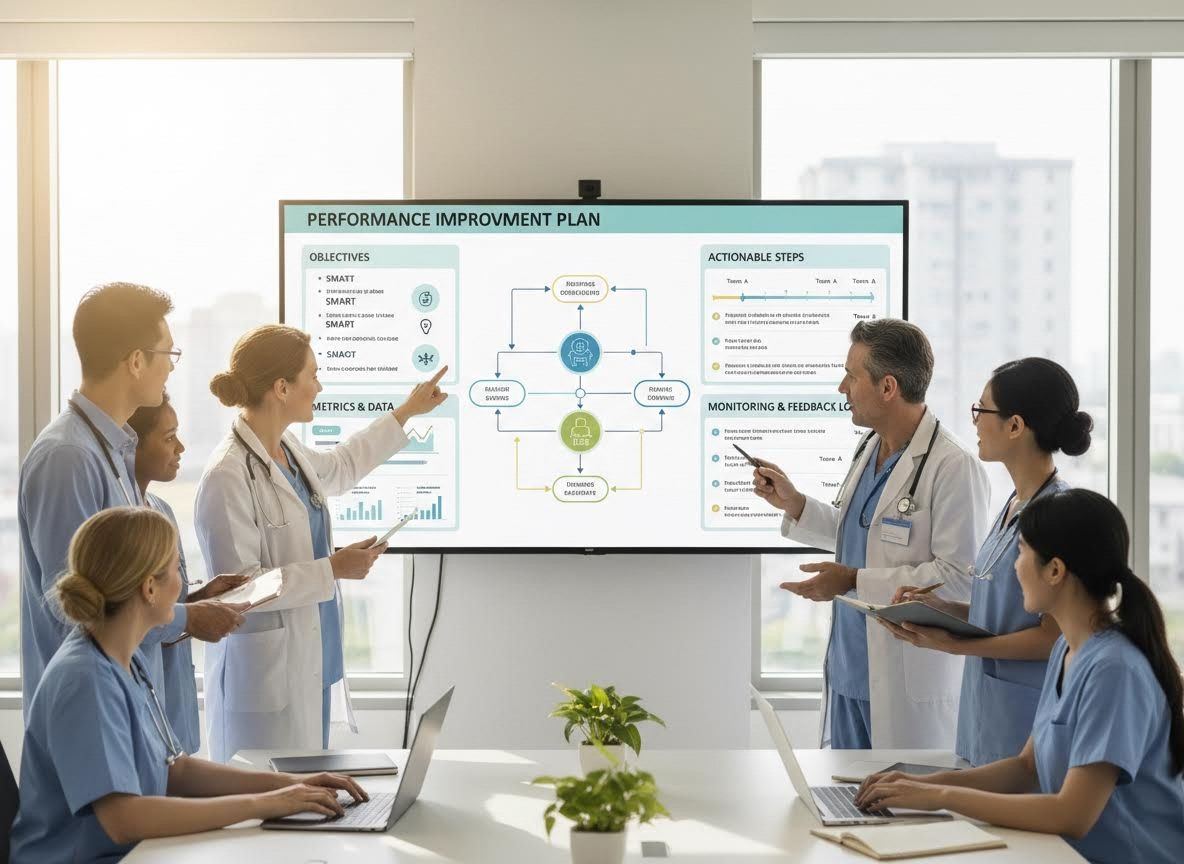
To genuinely drive performance growth, a healthcare PIP must be meticulously structured with several key components. First, objectives must be clear, specific, measurable, achievable, relevant, and time-bound (SMART), directly addressing identified areas for improvement. Second, precise metrics are crucial for quantifying progress and objectively evaluating the plan's success. Third, actionable steps, detailing the specific tasks, training, or process changes required, must be outlined. Fourth, designated timelines and responsible parties ensure accountability and maintain momentum. Finally, regular monitoring and feedback loops are indispensable for making necessary adjustments and reinforcing positive changes. Integrating these elements effectively requires a systematic approach, often supported by robust data collection and analysis tools.

Leveraging Technology for Streamlined PIP Management
The complexities of managing multiple Performance Improvement Plans, especially within large healthcare organizations, necessitate the adoption of advanced technological solutions. Utilizing a specialized QMS software or risk management software can transform the efficiency and efficacy of PIP implementation. Such platforms provide a centralized repository for creating, tracking, and archiving plans, ensuring consistency and ease of access. Automated reminders can prompt stakeholders for updates, while sophisticated reporting tools offer real-time insights into progress, compliance status, and overall performance trends. This technological integration not only reduces administrative burden but also enhances the organization's ability to demonstrate health care compliance and continuous improvement during audits and regulatory reviews.
Integrating PIPs within a Comprehensive QAPI Framework
Effective PIPs do not exist in isolation; they are foundational components of an organization’s broader QAPI framework. Each individual PIP contributes to the aggregate data that informs systemic quality initiatives. By analyzing patterns and commonalities across various improvement plans, healthcare leaders can identify overarching issues, allocate resources more effectively, and implement organization-wide changes that foster significant performance growth. This integrated approach ensures that targeted interventions for specific areas contribute to a culture of excellence throughout the entire healthcare ecosystem, reinforcing the commitment to patient care and operational integrity.
Configuring effective Performance Improvement Plans is a critical endeavor for any healthcare organization committed to excellence and sustained growth. By meticulously designing, implementing, and monitoring these plans within a comprehensive QAPI framework, organizations can proactively address performance gaps, ensure rigorous health care compliance, and foster a culture of continuous improvement. QAPI360 provides the integrated, user-friendly solutions necessary to streamline these processes, enabling healthcare agencies to manage their QAPI initiatives efficiently and effectively. To explore how tailored tools can enhance your agency's performance and compliance efforts, learn more about our comprehensive QAPI solutions.